


Benzodiazepines medications
Introduction to Benzodiazepines and Their Role in Medicine in Canada
Benzodiazepines, or ‘benzos’, are a key class of medications that act as central nervous system depressants in Canada. Buy Benzodiazepines online in Canada. Developed in the mid-20th century, these drugs are key for treating anxiety, insomnia, seizures, and muscle spasms. Their effectiveness stems from their ability to calm the nervous system by amplifying the activity of gamma-aminobutyric acid (GABA), the brain’s chief inhibitory neurotransmitter. Order benzodiazepines online inNova Scotia, Halifax, Canada
. Despite their therapeutic benefits, strict regulation is necessary due to the risk of dependence and misuse. Thus, a comprehensive understanding of their properties, clinical applications, and associated risks is essential for their safe and effective use.
What are Benzodiazepines and How are They Classified in Canada?
Benzodiazepines are a distinct group of medications designed to exert a depressant effect on the central nervous system within Canada. These drugs possess a unique chemical structure characterized by a benzene ring that is intricately fused with a diazepine ring—thereby giving them their name. Benzodiazepines are available for sale online in Vancouver, Calgary, Canada, and are primarily prescribed for anxiety, insomnia, seizures, and muscle spasms. Their mechanism of action involves enhancing the effects of GABA, a neurotransmitter that naturally induces calmness, at the GABAA receptor.
The potency of benzodiazepines can fluctuate markedly, influencing the intensity of their effects at specific dosages. A higher potency can increase the risks related to dependence and potential overdose, particularly when these medications are misused. While highly effective, long-term use of benzodiazepines has been linked to an array of adverse effects, such as dependence, cognitive decline, and an elevated risk of overdose. As controlled substances, benzodiazepines are stringently regulated in numerous countries, including being classified as Schedule IV drugs in the United States. Strict regulations oversee their prescription to prevent misuse and abuse. In summary, benzodiazepines represent a chemically defined class of medications distinguished by their varying levels of potency and duration of action, tailored to address specific medical needs while necessitating careful management to mitigate associated risks.
What are the Medical Uses and Therapeutic Applications of Benzodiazepines in Canada?
Benzodiazepines are versatile medications used primarily to treat various mental health and neurological conditions in Winnipeg, Manitoba, Canada. Their principal applications include the management of anxiety disorders, insomnia, seizures, muscle spasms, and episodes of agitation.
The therapeutic effect of benzodiazepines arises from their ability to enhance the activity of gamma-aminobutyric acid (GABA), a naturally occurring calming neurotransmitter in the brain. This results in a spectrum of effects that are sedative, anxiety-reducing, muscle-relaxing, and anticonvulsant. Consequently, they have proven effective in situations requiring immediate relief from distressing symptoms.
In clinical practice, benzodiazepines also serve critical roles in preoperative care, where they are employed for sedation and to induce amnesia prior to surgical or medical procedures. Their rapid action is invaluable in emergency situations, particularly for controlling acute seizures, where quick intervention is essential.
Moreover, benzodiazepines are instrumental in managing the symptoms associated with alcohol withdrawal, helping to avert complications such as seizures and severe agitation during detoxification processes.
Despite their multitude of benefits, benzodiazepines are generally recommended for short-term use—typically ranging from a few days to several weeks—due to the risks associated with prolonged consumption, which can lead to dependence, tolerance, and cognitive impairment. For this reason, healthcare providers approach their prescriptions with caution, ensuring close monitoring for side effects and potential interactions with other medications.
In summary, while benzodiazepines are highly effective for addressing a range of neurological and psychiatric conditions, their use demands meticulous oversight to mitigate risks such as overdose and addiction
Mechanism of Action and Neurochemical Effects of Benzodiazepines
Interaction with GABA-A Receptors
Benzodiazepines, a class of psychoactive medications, exert their therapeutic effects by specifically targeting GABA-A receptors located within the central nervous system. These receptors are specialized proteins that function as ligand-gated chloride channels. When benzodiazepines bind to a particular pocket situated between the alpha and gamma subunits of the GABA-A receptor, they enhance the natural inhibitory action of GABA (gamma-aminobutyric acid), the primary inhibitory neurotransmitter in the brain. This interaction increases the influx of chloride ions into neurons, thereby intensifying GABA’s inhibitory potential.
Impact on Neuronal Excitability
The influx of chloride ions induced by benzodiazepines causes the neurons’ electrical state to become more negative, a condition known as hyperpolarization. This hyperpolarization decreases the likelihood of neuronal firing, effectively dampening their activity. As a result, individuals experience profound calming effects, which can manifest as reduced anxiety, sedation, and even anticonvulsant effects. In simpler terms, benzodiazepines act to slow down the signaling between nerve cells, leading to the characteristic tranquilizing and sleep-inducing properties that are often sought in clinical settings.
Subtype-Specific Effects
Interestingly, the effects of benzodiazepines can vary significantly depending on the specific subtype of the GABA-A receptor they engage with. The BZ1 subtype, associated with the alpha1 isoform, is primarily responsible for sedation and memory disruption (amnesia). On the other hand, the BZ2 subtype, linked to the alpha2 isoform, governs anxiolytic (anxiety-reducing) and muscle-relaxant properties. This distinction in receptor subtype interaction explains the diverse clinical effects and side effects observed among various benzodiazepines.
What is the Mechanism of Action of Benzodiazepines?
Benzodiazepines act via positive allosteric modulation of the GABA-A receptor, a ligand-gated chloride channel in the central nervous system. When they bind to their specific sites on these receptors, they enhance the receptors’ ability to bind GABA, leading to greater opening of the chloride channels. This amplified influx of chloride ions results in neuronal hyperpolarization, leading to decreased excitability. The overall outcome is a significant calming effect on the brain, resulting in sedation, anxiety relief, seizure control, and muscle relaxation. Their specific effects vary depending on how they amplify GABA activity at different GABA-A receptor subtypes.
Chemical Properties and Pharmacology of Benzodiazepines
From a chemical standpoint, benzodiazepines are structured as a fusion of a benzene ring and a diazepine ring. This unique structure, along with various substitutions, influences their pharmacological properties, including lipid solubility and receptor-binding affinity. In terms of pharmacokinetics, benzodiazepines are well absorbed and extensively metabolized by liver enzymes, particularly CYP3A4 and CYP2C19. This metabolism can produce active metabolites that extend the duration of action, which is particularly pertinent for elderly patients or those with liver issues. The pharmacological effects of benzodiazepines are broad, encompassing sedation, anxiety relief, anticonvulsant effects, muscle relaxation, and memory impairment; these effects are mediated by distinct alpha subunits of the GABA-A receptor (specifically BZ1 and BZ2).
Common side effects associated with benzodiazepines can include drowsiness, lack of coordination, dependence, and, if combined with other central nervous system depressants, an increased risk of respiratory depression.
Understanding the neurochemical mechanisms through which benzodiazepines operate emphasizes their effectiveness in alleviating neuronal excitability and treating a variety of mental health and neurological disorders. However, it also highlights the need for careful consideration of their use, given the potential for dependence and harmful interactions with other depressant substances.
Effects and Potential Side Effects of Benzodiazepines
Benzodiazepines are a class of medications known for their calming effects on the central nervous system. They induce sedation, provide significant relief from anxiety, promote muscle relaxation, and help reduce seizure activity, particularly in Canada. These medications work by enhancing the action of gamma-aminobutyric acid (GABA), a crucial neurotransmitter that inhibits excessive neural activity in the brain, thereby fostering a state of tranquility.
The physical and psychological effects of benzodiazepines can manifest as drowsiness, dizziness, impaired motor coordination, forgetfulness, confusion, and slurred speech, making users feel somewhat sedated and less alert. However, an intriguing aspect of these medications is the potential for paradoxical reactions. Instead of the intended calming effects, some individuals may experience heightened agitation, increased anxiety, hostility, hallucinations, or feelings of restlessness. These unusual responses are more prevalent in vulnerable populations such as children, older adults, and those with underlying psychiatric conditions.
Extended use of benzodiazepines can lead to a state of dependence, where the body adapts to the drug, requiring progressively higher doses to achieve the same therapeutic effects. Withdrawal from benzodiazepines can evoke a range of distressing symptoms, including heightened anxiety, insomnia, tremors, seizures, and severe mood swings. The dangers escalate dramatically when benzodiazepines are combined with alcohol or opioids, as this co-use significantly increases the risk of respiratory depression, overdose, and even fatal outcomes such as coma or death.
Adverse Reactions and Risk Factors
The adverse reactions associated with benzodiazepines can vary widely, but frequently reported issues include fatigue, confusion, impaired memory, and difficulties with motor coordination. In rare cases, patients may experience severe side effects, such as hallucinations, aggressive behavior, skin reactions, or paradoxical disinhibition, leading to unexpected and troubling behaviors. Risk factors contributing to these adverse reactions include prolonged usage, consumption of higher doses, older age, and the concurrent use of other central nervous system depressants. The elderly population is particularly vulnerable to the adverse effects of these medications, often experiencing increased susceptibility to falls, fractures, and cognitive decline due to their slower metabolism of benzodiazepines.
Signs of Overdose and Management
Recognizing the signs of benzodiazepines overdose is crucial, as symptoms can include extreme sleepiness, confusion, impaired motor functions, slowed or difficult breathing, and, in severe instances, loss of consciousness or coma. Prompt medical attention is essential in these scenarios. Management typically involves supportive care, maintaining airway integrity, and, in many cases, administering the antidote flumazenil, which can counteract benzodiazepine effects. However, flumazenil should be used cautiously, particularly in patients with a history of seizures, as it can trigger seizure activity. There is no specific antidote for opioid overdose, which necessitates careful monitoring in patients who may be using benzodiazepines in conjunction with opioids.
It is vital for patients and caregivers to remain vigilant regarding the risks associated with benzodiazepines and to seek immediate help if overdose symptoms manifest. Preventative measures include adhering strictly to prescribed dosages, avoiding the consumption of alcohol and other depressants, and discussing any potential drug interactions with healthcare professionals.
Types and Classifications of Benzodiazepines
Benzodiazepines can be classified based on their duration of action and potency within the body. They are generally divided into three categories: short-acting, intermediate-acting, and long-acting agents. Short-acting benzodiazepines, such as triazolam and midazolam, are characterized by a half-life ranging from 1 to 12 hours and are primarily utilized in the treatment of sleep disorders or for procedural sedation.
In contrast, intermediate-acting benzodiazepines like lorazepam and estazolam have a half-life of approximately 12 to 40 hours, making them suitable for managing anxiety and sleep disturbances. Long-acting benzodiazepines, such as diazepam and chlordiazepoxide, possess extended half-lives of up to 250 hours, often prescribed for chronic anxiety, persistent muscle spasms, or the detoxification process during alcohol withdrawal.
The potency of benzodiazepines can also vary; high-potency agents like alprazolam, lorazepam, and clonazepam are frequently utilized in the treatment of severe anxiety, panic attacks, and epilepsy. Conversely, lower-potency benzodiazepines such as chlordiazepoxide tend to be favored for longer-term management of anxiety disorders or withdrawal symptoms.
Despite sharing a core chemical structure—a fused benzene and diazepine ring—benzodiazepines exhibit differences in their pharmacokinetic properties, influencing their duration of effect and clinical applications. Notable examples include diazepam (Valium), alprazolam (Xanax), lorazepam (Ativan), clonazepam (Klonopin), and temazepam.
A thorough understanding of these classifications is essential for healthcare providers, as it facilitates the selection of the most appropriate benzodiazepine for specific conditions while effectively managing the associated risks of dependence, side effects, and potential drug interactions.
Showing all 5 results
-
 Benzodiazepines medications
Bromazepam (Lexotanil)
$300.00 $2,000.00Price range: $300.00 through $2,000.00Clear3mg 50 pills3mg 100 pills3mg 200 pills3mg 400 pills6mg 100 pills6mg 200 pills6mg 400 pills -
 Benzodiazepines medications
Clonazepam (Rivotril)
$350.00 $1,000.00Price range: $350.00 through $1,000.00Clear1mg 60 tablets1mg 120 tablets1mg 240 tablets2mg 60 tablets2mg 120 tablets2mg 240 tablets -
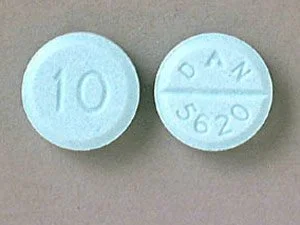 Benzodiazepines medications
Diazepam (Valium)
$300.00 $1,100.00Price range: $300.00 through $1,100.00Clear5mg 60 tablets5mg 120 tablets5mg 240 tablets10mg 60 tablets10mg 120 tablets10mg 240 tablets -
 Benzodiazepines medications
Temazepam (restoril)
$350.00 $1,250.00Price range: $350.00 through $1,250.00Clear10mg 60 tablets10mg 120 tablets10mg 240 tablets20mg 60 tablets20mg 120 tablets20mg 240 tablets30mg 60 tablets30mg 120 tablets30mg 240 tablets -
 Benzodiazepines medications
Xanax (alprazolam)
$250.00 $2,200.00Price range: $250.00 through $2,200.00Clear0.5MG 60 tablets0.5MG 120 tablets0.5MG 240 tablets1MG 30 tablets1MG 60 tablets1MG 120 tablets1MG 240 tablets2MG 30 tablets2MG 60 tablets2MG 480 tablets3MG 30 tablets3MG 60 tablets3MG 120 tablets3MG 280 tablets