

LSD
Introduction of LSD in Canada
LSD, or lysergic acid diethylamide, stands out as one of the most profound and extraordinary psychedelic substances known in Canada. It is not merely a drug that alters feelings; it fundamentally reshapes the way our brains perceive reality itself. Buy LSD in Edmonton and Toronto, Canada. When things go wrong, which can happen often, it is called a “bad trip.” This can feel like a living hell. Users often embark on journeys fueled by this substance, seeking enhancements in creativity or pathways to healing, while others may use it as an escape from the pressures of life.
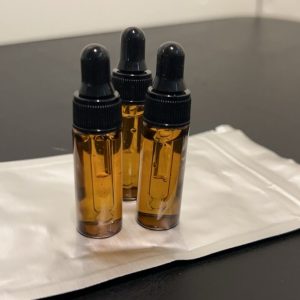
Though LSD is not physically addictive in the way substances like heroin or alcohol are, its potential to impact mental health—especially with repetitive use—can be significant and, at times, alarming. Order LSD in Vancouver and Calgary, Canada. It usually comes in tablet, capsule, clear liquid, or small squares of absorbent paper form.
First synthesized in 1938, LSD gained attention during the 1960s cultural upheaval and is now attracting interest from both recreational users and mental health professionals. Emerging studies suggest that, when used cautiously in medical settings, LSD may offer therapeutic benefits for mental health conditions like depression, PTSD, and addiction by helping individuals gain new perspectives and break free from negative thinking.
LSD Effects on the Brain
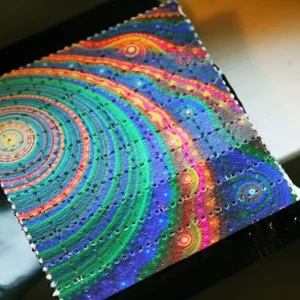
One of LSD’s most fascinating aspects lies in its ability to transform brain activity, particularly within a network known as the default mode network (DMN) in Canada. This area of the brain is most active when individuals engage in self-reflective thought or ponder their emotions. LSD tends to dampen DMN activity, which may explain the disconcerting sensations of self-dissolution or out-of-body experiences that users sometimes report during their trips. LSD Blotter for sale in Ottawa, Canada, is often printed on absorbent paper in small, decorated squares. Neuroimaging studies reveal that this hallucinogenic substance facilitates unprecedented communication between various brain regions, leading to surreal auditory and visual experiences—people have described “hearing colors” or “seeing sounds” while under its influence.
The effects of LSD typically manifest between 30 and 90 minutes after ingestion and can endure for a staggering 8 to 12 hours. Some common short-term effects include:
– Vivid visual hallucinations, with patterns, colors, or objects appearing bizarrely distorted
– Distorted perception of time and space, making seconds feel like hours
– Heightened sensory perceptions, intensifying colors, sounds, and touch
– Intense mood fluctuations, ranging from euphoria to deep anxiety
– Confusion and a sense of disorientation
– Physiological changes such as dilated pupils, increased heart rate, and elevated blood pressure
– Gastrointestinal distress, including nausea or diminished appetite
– Tremors or sensations of dizziness
These effects can vary significantly depending on factors such as dosage, individual mindset, and the surrounding environment.
What Are The Side Effects of LSD?
Although LSD is not chemically toxic in moderation, it can provoke serious psychological repercussions, particularly for vulnerable individuals or those situated in unsettling environments. Common side effects include:
– Panic attacks coupled with overwhelming anxiety
– Paranoia and distortions of reality, leading to delusional thinking
– Flashbacks, clinically referred to as Hallucinogen Persisting Perception Disorder (HPPD), where users relive their psychedelic experiences long after the drug has worn off
– Instances of psychosis, especially in individuals with a family history of schizophrenia or bipolar disorder
– Difficulty navigating the line between reality and hallucination
– Impaired sleep and persisting disorientation
It’s worth noting that flashbacks can occur weeks or even months after the initial experience, leaving many unprepared for the unpredictable nature of this phenomenon.
Is LSD Addictive?
LSD is not considered physically addictive in Canada, unlike substances such as heroin or alcohol. Users do not experience traditional withdrawal symptoms, nor do they develop cravings in the conventional sense. However, psychological dependence can emerge, particularly among those who use the drug to escape from harsh realities, confront trauma, or seek a sense of “enlightenment.” Purchase LSD crystal in Quebec City or Halifax, Canada.
Moreover, tolerance can build rapidly; after just several consecutive uses, individuals may find themselves requiring significantly larger doses to achieve the same sought-after effects. This escalating consumption markedly increases the likelihood of experiencing “bad trips” or enduring mental health challenges.
LSD’s Natural Source
LSD comes from a chemical called lysergic acid. This acid is derived from a fungus known as ergot, which grows on rye and other grains, particularly in Ontario. Ergot is a parasite that replaces normal grains with dark, compact structures called sclerotia. While ergot has caused poisonings in the past due to its toxic compounds, it’s also important because it produces lysergic acid.
Chemists extract lysergic acid from the ergot sclerotia using specialized methods to separate and purify it. This acid is the key ingredient for making LSD. Without it, LSD cannot be produced, showing how closely ergot is related to LSD. Because LSD comes from a natural source but requires chemical processing, it is known as a semi-synthetic compound. This classification sets it apart from fully natural or fully synthetic substances.
LSD can have strong psychological effects. Its natural origins do not diminish its potential to negatively affect perception and mental health. For that reason, we have an LSD addiction treatment program in Toronto, Canada. This program is designed to support men recovering from LSD misuse, offering personalized care and evidence-based therapy.
How Ergot Fungus is Made into LSD
To make LSD, lysergic acid is extracted from ergot fungus sclerotia. This extraction involves a series of chemical processes to isolate and purify the lysergic acid from unwanted compounds. Producing a small amount of high-quality lysergic acid may require a series of complex steps to ensure purity.
After purification, lysergic acid undergoes further chemical changes. First, it is activated chemically to prepare it for the next steps. Then, a diethylamide group is added by reacting lysergic acid with diethylamine under controlled laboratory conditions. This creates LSD in its crystalline form.
LSD is effective in very small doses, with even a microgram causing strong psychoactive effects. The process of making LSD demands advanced chemistry skills and special laboratory equipment.
Because LSD is a Schedule I controlled substance, strict regulations control every step of its production. This includes acquiring and handling ergot and lysergic acid. These laws aim to prevent unauthorized production and reduce risks from unsafe practices.
Laboratory Needs and Methods
Making LSD requires more than basic chemistry skills. Legitimate production needs specialized glassware, advanced instruments, and precise temperature control for each reaction. Key chemicals such as diethylamine can be dangerous and require expert handling and safety measures.
Any mistakes in temperature, reaction time, or chemical purity could lead to harmful byproducts or failed synthesis. The dangers are both legal and chemical; exposure to harmful substances or spills can cause serious injuries. For these reasons, proper research and manufacturing happen only in secure, professional environments.
Are LSD Addiction Treatments Available in Canada?
While LSD (lysergic acid diethylamide) may not lead to physical dependence like some substances, seeking treatment for LSD-related issues in Canada is crucial due to its potential for psychological effects that can disrupt mental health. LSD addiction treatment emphasizes psychological healing, harm reduction, and robust support for mental well-being. Here’s a detailed look at what these treatment options typically entail:
1. Psychiatric Evaluation
The journey toward recovery begins with a thorough psychiatric assessment. Since LSD has the potential to unveil underlying mental health conditions, mental health professionals conduct evaluations to identify, rule out, or manage issues such as psychosis, anxiety disorders, or depression. This initial step is vital in tailoring a treatment plan that addresses the individual’s unique mental health needs.
2. Cognitive Behavioral Therapy (CBT)
A cornerstone of psychological treatment, Cognitive Behavioral Therapy offers individuals the tools to comprehend their thought patterns and triggers associated with LSD use. Through guided sessions, clients learn to develop healthy coping mechanisms, enabling them to navigate life’s challenges without resorting to substance use. CBT is particularly beneficial for those who may have turned to LSD as a means to escape from trauma or distressing realities.
3. Psychoeducation
Many individuals may not fully grasp the profound effects of LSD on the brain and mental state. Psychoeducation serves as an essential component of treatment, equipping users with knowledge about how the drug alters perception and cognition. This understanding promotes informed decision-making, empowering individuals to avoid risky behaviors and harmful situations in the future.
5. Residential Rehab (in severe cases)
For those experiencing severe mental health crises due to LSD use or whose daily functioning has been significantly impaired, a residential rehabilitation program can offer the structured support necessary in a safe and therapeutic environment. These programs provide comprehensive care, including therapy, medical support, and daily activities that promote healing and re-establish stability in life.
Conclusion
LSD is a potent hallucinogen that can offer profound experiences and insights. However, it also comes with genuine risks, particularly when used without the proper context or mindset. Although LSD is not physically addictive, the specter of psychological dependence and mental health challenges remains a significant concern.
If you or someone you care about is grappling with issues related to LSD use, it’s essential to know that help is readily available. Approaching LSD addiction treatment focuses on healing, understanding, and cultivating a healthier relationship with reality rather than punishment.
Whether you are simply curious, hesitant, or in pressing need of assistance, educating yourself is the first critical step forward. Your inquiry today signifies a significant part of that journey.
Showing all 5 results
-

-
 LSD
LSDBlotter paper LSD
$200.00 $700.00Price range: $200.00 through $700.00Clear10 tabs 100μg20 tabs 100μgA Sheet 100μg10 tabs 200μg20 tabs 200μgA Sheet 200μg -
 LSD
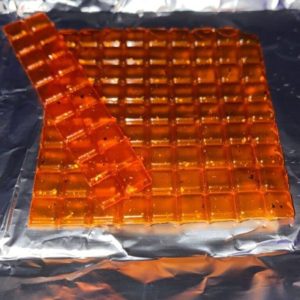
LSDGel tabs LSD
$240.00 $700.00Price range: $240.00 through $700.00Clear10 tabs 100μg20 tabs 100μgA Sheet 100μg10 tabs 300μg20 tabs 300μgA Sheet 300μg -

-