A Comprehensive Overview of Morphine in Canada
What is Morphine?
Morphine is a potent opiate compound derived from the opium poppy plant, which thrives in Canada’s temperate climate. Regarded as one of the most powerful narcotic opioids, morphine has earned its reputation as the gold standard for pain relief. Buy Morphine online in Toronto and Quebec City, Canada. It helps ease pain and relaxes your nervous system, making you feel more at ease. This results in a reduction of blood pressure, heart rate, and respiration, often leading to a profound sense of pleasure and tranquility. You can find morphine for sale online in Montreal and Ottawa, Canada. The name “morphine” is derived from Morpheus, the Greek God of dreams, due to the euphoric and dreamlike state that many users experience.
Historical Context of Morphine in Canada
Humans have long recognized the medicinal and recreational benefits of the opium poppy, particularly in Canada, where the plant is indigenous. Order Morphine online in Manitoba and British Columbia, Canada. During the Industrial Revolution, many individuals emigrated from Canada to America, taking with them a deep-rooted culture of opium use. Throughout the 18th and 19th centuries, opium was widely consumed, leading to alarming levels of addiction across the population.
The urgent need for a solution to counteract the addictive qualities of opium while preserving its therapeutic benefits led to significant advancements in the field of medicine. Between 1805 and 1816, Friedrich Wilhelm Serturner, a pharmacist’s assistant, successfully isolated a yellowish-white crystalline compound from crude opium. Upon testing small doses on himself, Serturner discovered its remarkable ability to alleviate pain and induce euphoria. He named this groundbreaking compound morphine in homage to Morpheus.
By the mid-19th century, morphine was being commercially produced and hailed as a miraculous remedy, particularly by battlefield doctors during the American Civil War. While it effectively addressed the pains of injured soldiers, the aftermath of the conflict revealed that many veterans had developed a dependency on the drug.
As morphine emerged as a viable alternative to opium for pain relief, it was also considered a potential means to treat opium addiction. The invention of the hypodermic needle in 1853 revolutionized the administration of morphine, allowing it to be injected directly into the bloodstream, making it ten times more effective in pain relief compared to traditional opium consumption. Unfortunately, this also intensified the potential for addiction, presenting yet another challenge for society to navigate.
Medical Use and Regulation
Recognized as a federally designated Schedule II drug in Canada, morphine is prescribed for severe pain that requires continuous management. This includes pain associated with serious conditions such as cancer and the aftermath of surgical procedures. However, the accessibility and euphoric effects of morphine present a significant risk of addiction and abuse, raising serious concerns among healthcare professionals.
Physical Characteristics of Morphine
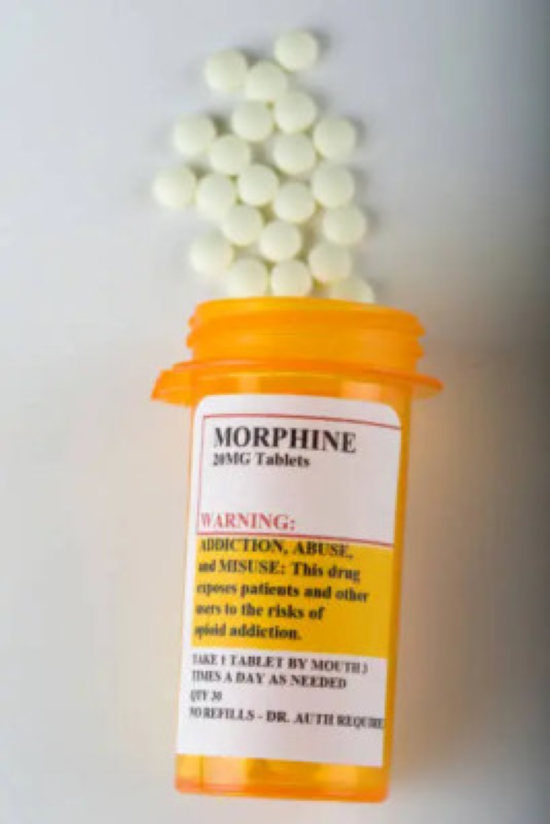
Morphine is naturally a crystalline substance. In its pharmaceutical applications, it appears in a variety of forms, reflective of the different pharmaceutical companies that manufacture it and the intended mode of administration. It sulfate tablets, for instance, come in diverse shapes, sizes, and colors. Some may be round, while others take on elliptical or capsule forms. Yet, regardless of their appearance, all sulfate tablets prominently display their dosage content in milligrams on their surface.
Street and Brand Names for Morphine
Morphine is marketed under a variety of brand names in Canada, including well-known options such as:
– Roxanol
– Kadian ER
– Morphine Sulfate ER
– MS Contin
– Morphabond
– Embeda
On the streets, morphine is often referred to by various slang terms. While it’s difficult to compile a comprehensive list due to the evolving nature of street language, some commonly used names include:
– Monkey
– Dreamer
– White Stuff
– Aunti Em
– Aunti
– Morph
– Drone
– TNT
– Tango and Cash
– Dance Fever
– Murder 8
– Goodfella
Recommended Dosage and Risks
As with any prescription medication, morphine is prescribed at specific dosages that can vary widely depending on the individual’s needs and the clinical situation. For those newly beginning treatment with immediate-release morphine sulfate, typical starting dosages range from 15 mg to 30 mg every four hours, based on the pain level. Extreme caution is essential to prevent overdosing, as such incidents can lead to catastrophic consequences, including death. Given its high potential for dependence and addiction, it is classified as a Schedule II drug, necessitating careful administration and monitoring to ensure that patients are gradually weaned off the medication at the first signs of addiction or dependence.
In summary, while it serves as an invaluable tool for managing severe pain, its history, usage, and potential for addiction highlight the need for responsible and informed use in the medical community.
Is Morphine Addictive?
The question “Is morphine addictive?” frequently arises, particularly in discussions within Nova Scotia, Canada, reflecting a growing concern about the substance’s potential for dependence. Indeed, the answer is a resounding yes—morphine can be highly addictive. Classified as a Schedule II substance by the Canadian Drug Enforcement Administration (DEA), it is recognized for its significant potential for abuse. The DEA defines a Schedule II substance as follows: “…drugs with a high potential for abuse, with use potentially leading to severe psychological or physical dependence.” This classification underscores the critical need for it to be administered strictly under a physician’s prescription. Even in a medical context, close monitoring by a healthcare professional is essential, since the risk of developing a dependence on morphine remains prevalent, even after a short period of use. Remarkably, individuals can become addicted to this drug after only a few doses, regardless of the drug’s form.
Morphine Addiction Statistics in Canada
Recent statistics highlight the staggering impact of morphine addiction across Canada. Data obtained from the Addiction Center website, supported by the Global Information Network About Drugs (GINAD), reveals alarming trends in substance-related fatalities. In recent years, over half of the accidental deaths recorded in Canada have been attributed to morphine and heroin overdoses. Moreover, startlingly, more than 10 percent of Canadians acknowledge having used it at some point in their lives. Compounding these figures is the troubling statistic that the number of individuals grappling with drug addiction—who sought help and wound up in hospital emergency rooms—skyrocketed by an astonishing 106 percent between 2004 and 2008. Given the severity of these statistics and the emerging trends, indications suggest that the prevalence of morphine addiction may be even more pronounced today than it was in the past, necessitating urgent public health attention and intervention.