

Opioid medication
What Are Opioid Medications in Canada?
Opioid medications, often referred to as narcotics, are a class of drugs prescribed by healthcare professionals to manage persistent or intense pain in Canada. Buy opioid medication online in Vancouver, Canada, without a prescription for chronic conditions like severe headaches and back pain. Opioids are also vital in the recovery journey of patients post-surgery or those enduring acute pain linked to cancer. Additionally, both adults and children benefit from these medications when dealing with injuries acquired from sports, falls, car accidents, or other traumatic events. Order opioid medicine online in Ontario and British Columbia, Canada, without a prescription
How Do Opioid Medications Work in Canada?
Opioid medications relieve pain by binding to receptors on nerve cells in the brain, spinal cord, and other areas of the body in the UK. You can find opioid medicine for sale online in Quebec City and Toronto, Canada, without a prescription. Opioids attach to receptors in the body to block pain signals from reaching the brain through the spinal cord. While they can provide substantial relief from pain, it is crucial to recognize that opioids come with significant risks, and their potential for addiction is pronounced, particularly when prescribed for prolonged periods to manage chronic pain.
What Are the Potential Side Effects?
The use of opioids can lead to several side effects, including:
– Profound sleepiness
– Constipation, which can be particularly troublesome
– Nausea that may interfere with daily activities
Moreover, opioids can cause severe side effects that may pose life-threatening risks. Signs of an overdose, which require immediate medical attention, include:
– Shallow or labored breathing
– A slowed heart rate
– Unconsciousness or unresponsiveness
Abruptly discontinuing opioid use can trigger withdrawal symptoms, such as heightened anxiety or insomnia. Additionally, the risk of addiction looms large. Opioids can condition both the brain and body to believe that the drug is essential for survival, often leading to increased tolerance. As a result, patients may find themselves needing larger doses to achieve the same level of pain relief, potentially spiraling into addiction. According to the National Institute on Drug Abuse, over 2 million Americans misuse opioids, with more than 90 succumbing to overdose each day.
Are There Different Types of Opioid Medications in Canada?
Yes, there are various types of prescribed opioid medications, each with different names, including:
– Codeine
– Fentanyl
– Hydrocodone
– Oxycodone
– Oxymorphone
– Morphine
These medications are commonly marketed under brand names such as OxyContin, Percocet, Palladone, and Vicodin. Doctors may prescribe different types and strengths of opioids based on the patient’s specific circumstances, pain levels, and medical history. It’s important to note that heroin, a highly addictive form of opioid, is illegal and has no accepted medical use.
How Are Opioid Medications Taken in Canada?
Opioid medications are primarily administered in pill form; however, they are also available as lozenges or lollipops for easier consumption. Some opioids may be injected into a vein or delivered through an intravenous (IV) line. Others can be applied using a transdermal patch placed on the skin, while some are available in suppository form.
How Can You Safely Use Opioid Medications to Manage Pain?
Using opioid medications as part of a complete pain management plan can be helpful. However, it is important to do this under the careful supervision of a doctor in Canada. Anesthesiologists, who are trained medical professionals specializing in anesthesia, pain control, and critical care, have the expertise necessary to prescribe both opioid and non-opioid pain medications. Collaborating with an anesthesiologist can help ensure effective pain management while minimizing the potential for side effects and addiction.
How Should You Stop Taking Prescribed Opioid Medications?
Abruptly halting opioid use can lead to uncomfortable withdrawal symptoms, such as anxiety and irritability. Therefore, it is vital to collaborate with your anesthesiologist or physician to formulate a tapering plan that gradually reduces your dosage, thereby reducing the risk of withdrawal. Your anesthesiologist can:
– Create a personalized tapering schedule to alleviate withdrawal symptoms.
– Monitor your symptoms throughout the process.
– Adjust the tapering rate and duration based on your individual response.
– Connect you with additional resources and support.
Understanding what to expect during the tapering process is critical, as opioid withdrawal symptoms can include:
– Intense cravings for the drug
– Heightened anxiety levels
– Insomnia or disrupted sleep patterns
– Abdominal discomfort
– Nausea or vomiting
– Diarrhea
– Tremors or shaking
These withdrawal symptoms can often be mitigated through a slow and careful dosage reduction, appropriate medical consultations, and psychological support for any accompanying anxiety.
Benefits of Discontinuing Opioid Medications
Stopping opioid medications can lead to good outcomes, even though withdrawal symptoms may occur in Canada. The Centers for Disease Control and Prevention indicates that many individuals experience enhanced functional abilities and an overall improvement in their quality of life without an increase in pain levels after ceasing opioid use. Interestingly, some patients even report better pain management after tapering off opioids, despite the possibility of temporary discomfort as their bodies adjust to the absence of medication. Moreover, non-opioid therapies, which typically present fewer risks and side effects, may also provide effective pain control solutions.
When opioids are eliminated, a pain management specialist gains valuable insight into the nature and intensity of a patient’s pain. This clearer understanding allows the physician to more accurately identify alternative treatment options that may benefit the patient, tailoring their approach to individual needs.
Risks Associated with Long-Term Opioid Use
Extended use of opioid medications is fraught with risks, which can include the development of tolerance, alongside physical and psychological dependencies.
Tolerance
Patients may find that they develop a tolerance to opioids over time, necessitating higher doses to achieve the same level of pain relief. If you suspect that you are experiencing this phenomenon, it’s essential to discuss it with your healthcare team.
Physical Dependence
With ongoing exposure to a consistent dosage of opioid medications, your body can acclimate to their presence. If you suddenly stop or significantly reduce your opioid intake, you may experience uncomfortable withdrawal symptoms, which signify physical dependence. It’s crucial to understand that this does not equate to addiction or misuse. If you are considering discontinuation of opioids, consulting with your healthcare provider is paramount, as a gradual tapering of your dosage is often recommended to minimize withdrawal discomfort.
Psychological Dependence and Misuse
Psychological dependence and misuse can manifest through a variety of behaviors, such as:
– Utilizing medications for reasons other than their prescribed purpose.
– Deviating from the prescribed dosage or timing of medication intake.
– Losing the ability to manage medication intake responsibly.
If you find yourself straying from the intended use of your medication or struggling to adhere to the prescribed regimen, it’s important to seek guidance from your doctor or pharmacist.
Understanding Overdoses and the Necessary Precautions
An overdose occurs when an individual consumes more opioid medication than their body can safely tolerate. This risk is not limited to those with a history of opioid use disorder—anyone prescribed opioids can be vulnerable. To minimize the risk of overdose, it’s crucial to take medications strictly as directed by your healthcare provider.
It is equally important for your family and friends to be educated on recognizing overdose signs and understanding the steps to take in the event of such an emergency.
Exploring Alternative Pain Management Solutions
While opioids can be effective in managing pain, numerous non-pharmacological strategies can also provide relief. Techniques such as physiotherapy, psychotherapy, acupuncture, massage therapy, and heat or cold applications can contribute to pain management. Additionally, engaging in support groups, relaxation techniques like yoga and mindfulness meditation, as well as maintaining an active lifestyle through physical and leisure activities, can enhance overall well-being.
Navigating the Discontinuation of Opioid Medications in Canada
Before making any decision to stop opioid medications, it is critical to discuss your plans with your doctor or pharmacist in Canada. Discontinuation can result in withdrawal symptoms in Canada; therefore, collaborating with your healthcare provider to create a personalized withdrawal plan is essential. Gradually tapering your doses can significantly reduce the severity of withdrawal symptoms. Your physician may also recommend non-pharmacological therapies or, when necessary, prescribe non-opioid medications to help ease the withdrawal experience. Your pharmacist can also provide support throughout this process.
Withdrawal symptoms can include a range of discomforts such as nausea, cold sweats, shivering, headaches, fatigue, anxiety, vomiting, disrupted sleep patterns, diarrhea, abdominal pain, and a runny nose. Some individuals may also experience an exacerbation of their original pain, alongside muscle aches and joint discomfort. These symptoms typically manifest within 6 to 36 hours after your last opioid dose, diminish over a period of 3 to 7 days, and eventually resolve completely.
Showing all 6 results
-
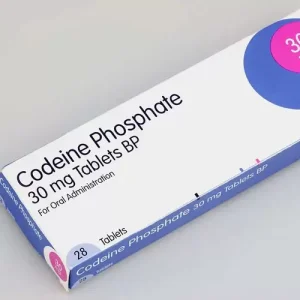 Opioid medication
Codeine pills
$300.00 $1,100.00Price range: $300.00 through $1,100.00Clear15 MG 60 tablets15 MG 120 tablets15 MG 240 tablets30 MG 60 tablets30 MG 120 tablets30 MG 240 tablets60 MG 60 tablets60 MG 120 tablets -
 Opioid medication
Hydrocodone Pill
$300.00 $900.00Price range: $300.00 through $900.00Clear10/325mg 50 Pills10/325mg 100 Pills10/325mg 200 Pills10/750mg 50 Pills10/750mg 100 Pills10/750mg 200 Pills2.5/500mg 50 pills2.5/500mg 100 pills2.5/500mg 200 pills -
 Opioid medication
Methadone tablets
$200.00 $1,300.00Price range: $200.00 through $1,300.00Clear5mg 30 Tablets5mg 60 Tablets5mg 120 Tablets5mg 240 Tablets10mg 30 Tablets10mg120 Tablets10mg 240 Tablets40mg 60 Tablets40mg 120 tablets40mg 240 tablets -
 Opioid medication
Morphine tablets
$200.00 $1,200.00Price range: $200.00 through $1,200.00Clear10mg 30 tablets10mg 60 tablets10mg 120 tablets10mg 240 tablets20mg 30 tablets20mg 60 tablets20mg 120 tablets20mg 240 tablets -
 Opioid medication
Oxycodone tablets
$200.00 $1,200.00Price range: $200.00 through $1,200.00Clear5mg 30 tabletstablets 5mg 60 tablets5mg 120 tablets5mg 250 tablets10mg 30 tablets10mg 60 tablets10mg 120 tablets10mg 240 tablets30mg 30 tablets30mg 60 tablets30mg 120 tablets30mg 240 tablets -
 Opioid medication
Tramadol tablets
$300.00 $2,100.00Price range: $300.00 through $2,100.00Clear50mg 50 tablets50mg 100 tablets100mg 50 tablets100mg 100 tablets100mg 200 tablets100mg 400 tablets200mg 50 tablets200mg 100 tablets200mg 200 tablets200mg 400 tablets