Understanding Xanax (alprazolam) in Canada: An In-Depth Look at Its Effects and Risks
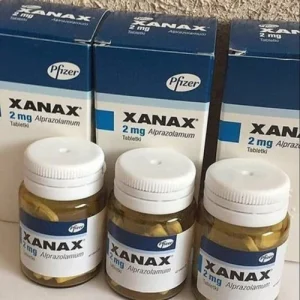
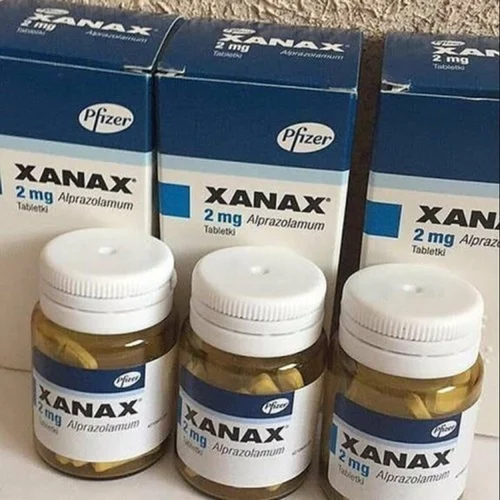
Xanax, scientifically known as alprazolam, is recognized as a short-acting benzodiazepine commonly prescribed in Canada to address anxiety disorders, including panic disorder. Buy Xanax online in Alberta and British Columbia, Canada without a prescription. It helps with alcohol dependence and prevents severe withdrawal symptoms. Benzodiazepines like Xanax are notorious for their powerful addictive properties; for instance, in 2015 alone, they were linked to approximately 8,000 overdose deaths in Canada. Order Xanax online in Quebec City and Ottawa, Canada without a prescription. Withdrawal can be very challenging, potentially leading to seizures or death. Therefore, individuals utilizing benzodiazepines typically require a careful, gradual weaning process to mitigate the risks associated with withdrawal.
These medications work by modulating the brain’s gamma-aminobutyric acid (GABA) receptors. The enhanced activity at these receptors results in significant physiological effects, including sedation, muscle relaxation, anxiety relief, and anticonvulsant capabilities. While these properties make benzodiazepines essential for treating specific disorders, their high potential for addiction means that when misused, they can lead to severe health consequences. The danger is compounded when benzodiazepines are consumed alongside alcohol, which can intensify side effects and drastically increase the risk of overdose.
Xanax as a Street Drug in Canada
From 2005 to 2013, Xanax was the most frequently prescribed psychiatric medication in Canada. Although many have benefited from its calming effects, it has also gained popularity as a widely abused substance. Xanax is for sale online in Ottawa, Edmonton, and Winnipeg, Canada, without a prescription. It acts quickly in the bloodstream, leading to feelings of pleasure and euphoria. This rapid onset is a driving factor for individuals seeking it for recreational use rather than for legitimate medical reasons. In social settings like parties and concerts, Xanax is often used to enhance the experience of alcohol consumption. Purchase Xanax online in Toronto, Canada, without a prescription. Abuse can lead to pleasurable sensations like lightheadedness, emotional detachment, and increased sexual desire.
Facts About Xanax
– A striking 55 percent of nonmedical users obtained prescription painkillers, including Xanax, for free from friends or family.
– Only 3 percent procured medications prescribed by their own doctors for nonmedical use.
– About 4 percent bought the drug from a friend or relative, while another 8 percent took it without permission from someone close.
– In contrast, a mere 4.4 percent purchased Xanax through illicit channels.
– Alarmingly, 70 percent of teenagers struggling with a Xanax addiction reported accessing the drug from their family’s medicine cabinet.
– Emergency room visits related to Xanax recreational abuse surged from 57,419 in 2005 to 124,902 by 2010.
– In 2013, a staggering 50 million prescriptions were issued for Xanax, representing a significant increase from 38 million prescriptions in 2006.
– The prescription rates for Xanax have maintained a consistent upward trend, rising at a rate of 9 percent per annum since 2008.
What Does Xanax Feel Like?
The use of Xanax leads to the slowing of the central nervous system, producing a notable depressant effect. This calming effect influences the brain’s neurotransmitters, creating a profound sense of relaxation. Addiction specialists highlight Xanax’s high addictive potential; alongside its sedative properties, the drug triggers dopamine release, engaging the brain’s pleasure and reward centers. Once activated, these pleasure centers drive the brain to seek repeated exposure to such enjoyable experiences, fostering the risk of addiction.
What Does Xanax Do To You?
Upon consumption, Xanax enhances the effects of gamma-aminobutyric acid (GABA) within the brain. GABA is a pivotal neurotransmitter responsible for inducing feelings of calmness and relaxation. The resultant decrease in brain activity facilitates relief from anxiety and panic disorders. Users may experience a range of effects, from a heightened state of relaxation and euphoria to temporary memory loss, vivid dreams, or even irritability and hostility during use. Xanax not only alleviates anxiety and muscle tension but can also aid those struggling with insomnia, highlighting its dual role in both therapeutic settings and potential misuse scenarios.
Understanding the Street Names and Slang Terms for Xanax in Canada
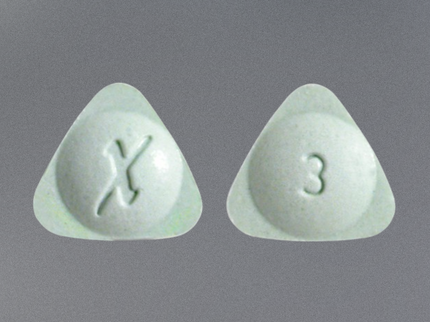
In the underground markets of England and Wales, Xanax is often referred to by an array of street names and slang terms that reflect its illicit use. Among the most common nicknames are “Xannies,” “Bars,” “Zanies,” and “Blue Footballs.” These terms not only hint at the drug’s color and shape but also serve as identifiers within communities where individuals seek or misuse this medication outside of legitimate prescriptions.
Medical Uses of Xanax in Canada
Xanax, known generically as alprazolam, is a medication with several important therapeutic applications approved by the FDA:
1. Anxiety Disorders: Xanax is particularly effective in treating generalized anxiety disorder (GAD) and social anxiety. As an anxiolytic, it alleviates symptoms such as excessive worry, restlessness, and various physical manifestations of anxiety. Users often report relief in a matter of hours after taking the medication, making it a sought-after solution for those struggling with anxiety.
2. Panic Attacks: This medication is also FDA-approved for the treatment of panic disorder, where it acts to diminish both the frequency and severity of panic attacks. The calming effects of Xanax can significantly help individuals manage the intense fear that characterizes these episodes.
3. Off-Label Uses: While not officially approved for all of these conditions, Xanax may also be prescribed off-label for issues such as insomnia, depression, and certain types of seizures. Doctors might opt for this strategy when their patients have co-occurring disorders or have previously shown resistance to other treatments.
In Canada, Xanax stands as one of the most frequently prescribed medications for anxiety and panic disorders, with millions of prescriptions being filled each year. However, due to concerns regarding its potential for physical dependence and misuse, healthcare providers often prescribe it at lower doses and for short durations, maintaining vigilant oversight throughout the treatment process.
Withdrawal Effects Associated with Xanax Addiction in Canada
While Xanax overdose can pose serious health risks, it is crucial to understand that withdrawal from benzodiazepines like Xanax can also be deadly. For individuals seeking to discontinue their use, it is imperative to consult with a medical professional. Abruptly stopping the medication can lead to severe repercussions, including seizures, similar to the dangers associated with alcohol withdrawal. Common withdrawal symptoms can include a rapid increase in heart rate and blood pressure, heightened agitation, and, in extreme cases, seizures.
Treatment Approaches for Xanax Addiction in Canada
Addressing Xanax addiction requires a comprehensive approach, akin to that of alcohol addiction in Canada. Treatment typically involves a gradual tapering of the drug to mitigate withdrawal symptoms and reduce the risk of seizures. One potential intervention is the use of flumazenil (Romazicon), a specific antidote for benzodiazepine toxicity. However, its application in acute overdose cases remains controversial due to the associated risks that may surpass the benefits.
The specific treatment plan varies based on the severity of the addiction and the presence of any co-occurring mental health disorders. Options can range from inpatient hospitalization to outpatient therapies. Essential to any successful recovery process is psychotherapy, which helps individuals explore the underlying behaviors contributing to their addiction. This therapeutic support equips patients with self-care strategies and techniques to manage their triggers and cravings effectively.
Is Xanax Dangerous?
Xanax, scientifically known as alprazolam, is a prescription medication classified as a mild tranquilizer, commonly used to alleviate the intense feelings of panic or anxiety, as well as to provide occasional relief for insomnia. While it can be quite effective when used appropriately, the long-term effects of Xanax are concerning. With prolonged use, the brain undergoes significant adaptations, leading to a phenomenon known as tolerance. As the body gradually becomes accustomed to the drug, its calming effects diminish, prompting individuals to consider increasing their dosage to regain the desired relief—this can set the stage for a troubling cycle of dependency.
The way Xanax operates is by influencing the brain and central nervous system, enhancing the activity of the neurotransmitter gamma-aminobutyric acid (GABA). This boost in GABA levels results in a profound calming effect, slowing overall nerve cell activity in the brain. Users may experience effects such as deep relaxation, slurred speech, impaired coordination, disorientation, and decreased heart rate and blood pressure. These effects typically last for a duration of 3 to 4 hours, leading some to misuse the medication in hopes of prolonging these sensations.
Consequences of Using Xanax in Canada
In Vancouver and across Canada, Xanax has shown considerable efficacy in providing relief for those battling specific anxiety disorders. When taken under proper medical supervision and according to prescription guidelines, Xanax can be a safer option. However, even a few weeks of continuous use—just 4 to 6 weeks—can significantly heighten the risk of developing dependence. Withdrawal symptoms that appear as the drug’s effects fade are a clear warning sign of potential addiction.
The risks associated with Xanax use disorder can be serious and include:
– Injuries: Users may experience a loss of balance and reduced motor skills, leading to an increased likelihood of accidents or falls.
– Cognitive Effects: Cognitive impairments such as memory loss or difficulty focusing on everyday tasks can result from consistent use.
– Psychological Effects: The psychological ramifications may manifest as mood swings, increased impulsivity, risky behavior, aggression, or heightened anxiety levels.
– Overdose Risks: The danger of overdose escalates when Xanax is consumed in tandem with alcohol, another central nervous system depressant, creating a potentially lethal combination.
Signs of a Xanax Use Disorder in Canada
If you find yourself or a loved one becoming increasingly perplexed about Xanax use, recognizing the signs of a potential Xanax use disorder in Calgary, Canada, can be essential. Adjustments in dosage might be necessary, and being aware of these warning signs can be a first step:
– An inability to reduce or cut back on Xanax, despite intentions to do so.
– Persistent feelings of excessive drowsiness throughout the day.
– Manifestation of slurred speech that hinders communication.
– Increased instances of falling or feeling unsteady, suggesting loss of coordination.
– Actively seeking prescriptions from multiple doctors, a practice known as “doctor shopping.”
– Continuing to consume Xanax even when experiencing adverse effects.
– Experiencing withdrawal symptoms such as anxiety, agitation, or physical discomfort as the medication wears off.
Breaking free from a Xanax use disorder is a critical journey, one that begins with medically supervised withdrawal management. Abruptly halting Xanax intake—often referred to as going “cold turkey”—is extremely unsafe and should be avoided at all costs. Instead, a controlled tapering schedule should be devised, allowing the body to gradually adjust to lower doses of the medication, which in turn can minimize the severity of withdrawal symptoms. Following this medical detoxification process, a comprehensive treatment program can offer supportive care, equipping individuals with new coping skills to manage stress and anxiety in their daily lives.