
What Type of Drug Is Oxycodone in Canada?
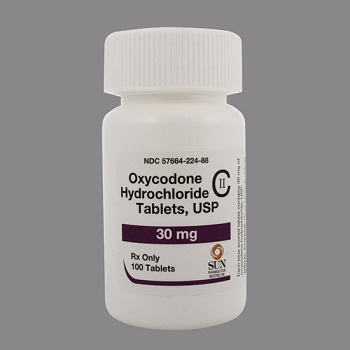
Oxycodone is an opioid medication widely recognized in Canada for its potent analgesic properties. Buy oxycodone online in Ontario and Alberta, Canada, without a prescription. Opioids like oxycodone mimic the brain’s natural neurotransmitters. This structural similarity allows these drugs to bind effectively to the brain’s receptors, triggering the “opioid effect,” which primarily aims to alleviate pain but also encompasses various other physiological effects.
As a semi-synthetic opioid, oxycodone is synthesized from thebaine, a compound derived from opium. Order oxycodone online in Alberta and British Columbia, Canada, without a prescription. Thebaine is a small part of opium and is similar in structure to morphine and codeine. However, while morphine and codeine predominantly produce sedative effects, oxycodone’s chemical modifications give rise to a more pronounced depressant effect, making it a powerful option for pain relief.
Oxycodone tablets are not just a standalone medication; they are marketed under various brand names, including OxyContin®, Xtampza ER®, Roxicodone®, and Oxaydo®. Additionally, it serves as an active ingredient in numerous combination medications designed to enhance pain management. Notable brand names that feature oxycodone combined with acetaminophen include Endocet®, Oxycet®, Percocet®, Roxicet®, and Xartemis XR®. Furthermore, when oxycodone is combined with aspirin, it is marketed as Percodan®, and when paired with ibuprofen, it becomes known as Combunox®.
Oxycodone Uses and Prescriptions in Canada
Since its introduction to clinical practice in 1917, oxycodone has remained a critical medication for managing pain, categorized as effective for both moderate and severe discomfort, depending on its formulations. Purchase oxycodone online in Montreal, Canada. OxyContin offers extended-release tablets for sustained pain relief up to 12 hours, ideal for long-term management.
This medication is typically prescribed for individuals enduring severe, persistent pain that does not respond to conventional treatments. Oxycodone for sale online in Calgary, Canada. Healthcare providers usually avoid prescribing oxycodone when alternative medications effectively manage pain. Conditions that may warrant oxycodone prescriptions include cancer, arthritis, fibromyalgia, and irritable bowel syndrome. Moreover, specific acute injuries resulting in chronic pain might also necessitate treatment with this powerful medication. Many individuals working in physically demanding jobs often develop chronic pain due to relentless exertion, and professional athletes, such as football players, have notably been in the spotlight regarding addiction and opioid use.
Oxycodone in the Media and Public Eye in Canada
Oxycodone gained significant attention after Purdue Pharma commenced marketing OxyContin in Canada in 1996. Initially celebrated as a revolutionary pain relief option, the drug quickly garnered praise for its rapid effectiveness. Purdue Pharma aggressively promoted it to physicians, disseminating over 15,000 copies of a promotional video titled “I Got My Life Back,” which showcased patients using OxyContin for non-cancer pain, thus endorsing its use for chronic pain management. The video misleadingly emphasized a supposed lack of side effects, a notion that has since been proven false.
By 1999, a startling 86% of patients prescribed opioids were utilizing them for pain unrelated to cancer. This surge in usage, coupled with inadequate regulatory oversight, led to rampant abuse and addiction across Canada. The late 1990s marked a pivotal shift in public perception as mounting evidence revealed the high addiction potential and life-threatening risks associated with opioids.
Since the early 2000s, media coverage has fixated on the ongoing opioid crisis, a dire outcome of relentless marketing strategies and permissive prescribing practices. Reports continue to deliver alarming statistics and poignant personal accounts, shining a harsh light on the realities of opioid addiction. While the crisis is a legitimate public health concern, the media’s portrayal can inadvertently stigmatize individuals grappling with addiction, discouraging them from seeking the help they need.
A High-Profile Problem for Purdue
In 2019, oxycodone was thrust back into the spotlight due to shocking new revelations concerning Purdue Pharma. An email unearthed during a lawsuit against the company revealed that Dr. Richard Sackler, then chairman and president, was acutely aware of the abuse potential of OxyContin and strategized to shift blame onto those suffering from addiction. The correspondence articulated a disturbing perspective, as it stated: “We have to hammer on the abusers in every way possible. They are the culprits and the problem. They are reckless criminals.”
However, this blame-shifting strategy failed as addiction rates soared and countless lives were devastated by the drug. It has become painfully apparent that oxycodone, whether in its brand-name forms or as part of combination medications, is an extraordinarily powerful substance, necessitating cautious prescribing and responsible use to mitigate the risks associated with its potency.
Effects of Oxycodone
When oxycodone is consumed, its powerful opioid compounds intricately bind to G protein-coupled receptors in the brain, triggering an impressive release of endorphins. In Canada, these endorphins are crucial players in the brain’s intricate reward system, influencing various aspects of both mood and physical well-being. As a result, oxycodone greatly diminishes the perception of pain while simultaneously heightening feelings of pleasure and euphoria.
Individuals who utilize opioids as prescribed often find significant relief from pain, accompanied by a transient sense of elation or improved well-being. Under normal circumstances, our bodies naturally produce endorphins in response to everyday pleasures—like enjoying a sumptuous meal or finishing an invigorating workout. These endorphins serve to reinforce positive behaviors, encouraging us to continue engaging in activities that promote happiness and health.
However, prolonged use of opioids can lead to an alarming reduction in the body’s natural endorphin production. As the dependency deepens, individuals may discover that the euphoric effects diminish over time. This process, known as tolerance, compels users to consume larger doses in pursuit of the same degree of pleasure or pain relief, ultimately setting the stage for potential abuse and dependence.
Common Side Effects of Oxycodone
While oxycodone’s analgesic and euphoric properties are well-known, it also carries a host of unpleasant side effects that can manifest both in the short and long term. The side effects of oxycodone and its combination medication, Percocet, are relatively similar, though variations in formulations can alter their intensity or occurrence. The most frequently reported side effects include:
– Nausea: A queasy sensation that can range from mild discomfort to intense aversion to food.
–Constipation: A frustrating slowing of the digestive process that can lead to significant discomfort.
–Vomiting: The body’s rejection of food or substances, often caused by discomfort or irritation.
–Drowsiness: A profound sense of tiredness that can affect daily functioning.
–Dizziness: A disorienting sensation that may lead to balance issues and feelings of light-headedness.
–Itching: Unexplained skin irritation that can be quite uncomfortable.
–Headache: A variety of pain sensations in the head, ranging from mild to debilitating.
–Blurry vision: A visual disturbance that can hinder the ability to focus.
–Sweating: An increase in perspiration that may occur without physical exertion.
–Dry mouth: A parched feeling in the mouth that can affect speech and swallowing.
For many individuals, the remarkable reduction in pain can overshadow these side effects; however, even subtle manifestations can hinder daily activities, such as household chores or work-related tasks. Those who misuse oxycodone for recreational purposes might be oblivious to these side effects, intensifying the risks of missing critical overdose symptoms that can indicate a medical emergency. These acute symptoms include:
Long-Term Side Effects of Oxycodone
The use of oxycodone and its variants, such as Percocet, can yield dire long-term side effects when consumed over extended periods. Some of the most concerning repercussions include:
–Insomnia: Persistent difficulties with sleep, leading to debilitating fatigue.
–Depression: A profound sense of hopelessness and lack of interest in life activities.
–Cramping, aching muscles: Ongoing physical discomfort that can severely impact mobility and quality of life.
–Increased spinal fluid pressure: A potentially serious condition affecting neurological function.
–Limb swelling: An uncomfortable and often conspicuous physical manifestation that can indicate systemic issues.
–Heart failure: A life-threatening condition where the heart becomes unable to pump effectively, leading to a cascade of additional health problems.
The influence of opioids over bodily systems is undeniable, often affecting crucial functions in the UK. Extended use of oxycodone and related medications can lead individuals to encounter one or more of these serious side effects, sometimes taking weeks or months to surface. As a result, one may mistakenly attribute problems like constipation to external factors rather than critically evaluating their medication use and discussing their concerns with a healthcare provider.
Signs of Oxycodone Addiction in Canada
Identifying oxycodone abuse can be challenging, as many individuals initially begin their journeys with legitimate prescriptions to manage real pain. The shift from appropriate use to misuse often occurs gradually, making it difficult for users and those around them to recognize the signs of addiction.
When someone receives a prescription, they may perceive it as permissible to occasionally exceed their recommended dose, particularly during periods of heightened pain. If this only happens infrequently, it may seem inconsequential. However, several warning signs can indicate a deeper concern.
– Loss of Interest: Individuals begin to disengage from activities that once brought them joy, becoming increasingly consumed by their drug use. Hobbies may be abandoned, and passion for previously loved jobs or shows may fade.
– Increased Tolerance: The necessity for higher doses to experience the same effects signifies the onset of substance abuse, placing individuals at greater risk for dependence as they increase their consumption.
–Drug Cravings: Preoccupying thoughts about oxycodone or the timing of the next dose can indicate misuse, particularly when such thoughts intrude upon work or family life.
–Drug-Seeking Behavior: If an individual contemplates ways to circumvent medical guidelines to obtain more oxycodone, it’s a strong signal of potential dependence. This may also involve considering alternative methods to garner similar euphoric experiences.
–Social Withdrawal: People grappling with oxycodone abuse often distance themselves from friends and family, fearing judgment or exposure of their struggles. This withdrawal can manifest as pushing loved ones away or gradually fading from relationships.
These signs of dependence can be subtle and complex, often necessitating a compassionate approach to address the underlying issues surrounding oxycodone use.