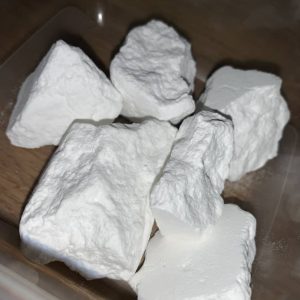
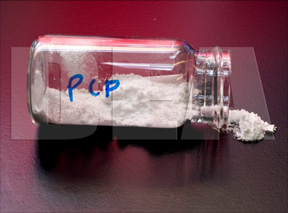
Buy Phencyclidine (PCP) online in Canada
Phencyclidine, commonly known as PCP, is a potent substance in Canada known for its ability to trigger severe hallucinations and delusions. Initially introduced to the medical market in the 1950s as an anesthetic and tranquilizer under the brand name Sernyl, this drug was withdrawn from medical use in 1967 due to safety concerns and subsequently limited to veterinary applications. Phencyclidine (PCP) for sale online with ease in Nova Scotia and Montreal, Canada—just a few clicks away!
In a significant regulatory move, the legal manufacturing of phencyclidine was suspended in the United Kingdom in 1979. It is classified as a Schedule II controlled substance, reflecting its high potential for abuse and the risk of severe psychological or physical dependence. Violating laws related to the manufacture, distribution, possession, or use of PCP can lead to serious legal repercussions, including imprisonment.
Despite its legal restrictions, phencyclidine is clandestinely produced in secret laboratories, with numerous analogs—drugs chemically similar to PCP—circulating on the streets. While it is widely believed to be manufactured in England, its distribution extends throughout the country, raising widespread concern among authorities.
PCP is often known by its street names, including “Angel dust,” “Elephant tranquilizer,” “Embalming fluid,” “Hog,” “Ozone,” “Wack,” “Killer joints,” “The PeaCe pill,” “Rocket fuel,” and “Supergrass.”
The substance presents itself as a white crystalline powder with a distinctly bitter taste, which readily dissolves in water or alcohol. Users typically consume PCP in various ways; they may choose to smoke, snort, swallow, or inject it. There are alarming practices associated with its use, such as spraying leafy plants like mint, parsley, or marijuana with the chemical or dipping rolled joints into a PCP solution before smoking. This versatility in consumption methods contributes to its appeal, despite the significant risks it poses to users.
What Happens When Someone Takes Phencyclidine?
Phencyclidine, commonly known as PCP, acts on multiple neurotransmitter systems in the brain, resulting in a complex array of effects. By inhibiting the reuptake of vital neurotransmitters such as dopamine, norepinephrine, and serotonin, PCP profoundly alters mood and perception. It specifically blocks NMDA receptors linked to glutamate, which plays a crucial role in processes such as pain sensation, emotional regulation, learning, and memory. By disrupting these receptors, PCP creates a disconnection between the brain and ordinary sensory experiences, distorting one’s grasp of reality. At higher doses, it can paradoxically stimulate these receptors as well.
A typical dose of PCP ranges from 5 to 10 milligrams; notably, a dose of 10 mg has been reported to induce stupor. The onset of effects occurs within 30 to 60 minutes following oral ingestion, or just a few minutes when smoked. While the immediate effects can last 4 to 6 hours, it may take as long as 24 hours for an individual to return to their baseline. Given that PCP is often manufactured illegally in uncontrolled environments, users face the risk of uncertain dosages and unpredictable effects.
Short-term Effects
The impact of Phencyclidine is not uniform; it varies significantly based on the dose consumed and the method of ingestion. Some individuals might initially seek out PCP for the euphoria, psychedelic experiences, and profound sense of calm it offers. However, the drug can also trigger a range of unwanted and unsettling effects.
After consuming a low dose, a person might experience heightened blood pressure, increased body temperature, and accelerated heart rate. Conversely, larger doses often produce the opposite physiological responses, dampening blood pressure, heart rate, and respiratory function.
PCPs can induce a variety of sensations and perceptions, including:
– Intense euphoria
– Distortions of sound, image, and body perception
– Feelings of detachment from oneself, known as depersonalization
– Impaired balance and coordination
– Numbness and an inability to feel pain
– Episodes of acute anxiety, agitation, and erratic mood swings
– A pervasive sense of impending doom
– Numbness in limbs
Observing an individual under PCP influence, others may notice:
– Poor coordination and an unsteady manner of walking
– Bloodshot eyes accompanied by rapid, darting eye movements
– Slurred or garbled speech, contributing to difficulty in communication
– Confusion and disorientation, often coupled with a blank stare
– Stupor or lethargy
– Episodes of aggression or combativeness
– Bizarre behaviors that may seem out of character
Physical manifestations can include drooling, rigid muscles, delusions, amnesia, chills, sweating, irregular heartbeats, and reduced respiratory rates, alongside feelings of dizziness, nausea, and vomiting.
In instances of high doses, individuals may face severe consequences such as:
– Seizures
– Coma
– Rhabdomyolysis, a grave condition involving muscle damage
– Possible death
Impaired judgment, psychosis, paranoia, and self-destructive tendencies pose significant risks, particularly in individuals predisposed to such behaviors. The drug can lend a false sense of invulnerability and superhuman strength, compounded by a diminished capacity to sense pain, leading to potential accidental harm.
Emergency rooms commonly see patients who have reacted violently or suicidally due to PCP’s intense psychological effects. The combination of PCP with other central nervous system depressants, like alcohol or tranquilizers, can lead to life-threatening situations, including coma. Severe poisoning may also occur if an individual attempts to hide their drug use, inadvertently ingesting excessive amounts.
Given the illegal nature of its production and sale, the outcomes of PCP use can be extremely unpredictable.
Long-term Health Risks
Over the long term, the repercussions of Phencyclidine can be severe and debilitating, including:
– Stuttering and other speech difficulties
– Impaired reasoning and memory function
– Anxious and depressive episodes
– Suicidal thoughts
– Social withdrawal and isolation
– Flashbacks
These effects may persist for up to a year, with some users experiencing continued flashbacks and hallucinations, a condition referred to as hallucinogen-induced persisting perceptual disorder (HPPD). Additionally, toxic psychosis can manifest, characterized by increased hostility, paranoia, and delusions—issues that can linger long after ceasing PCP use.
Addiction is a significant risk, as one may build up a tolerance to the drug. This addiction, coupled with associated mental health challenges, can hinder social interactions, financial stability, and career success, leading to a cycle of worsening complications.
Withdrawal and Treatment
The journey to recovery from PCP begins with supportive therapy. Abruptly stopping PCP can trigger withdrawal symptoms, necessitating medical supervision or even hospitalization for a safe recovery process. Symptoms of withdrawal may encompass:
– Cravings for the drug
– Confusion
– Depression
While distressing, withdrawal from phencyclidine is not typically life-threatening. Recovery is a gradual process, requiring supportive networks and the development of skills necessary for sustaining a drug-free life. Those facing lingering psychological challenges or behavioral issues may benefit from psychiatric assessment and treatment.
The actions of an individual under the influence of Phencyclidine (PCP) can endanger both themselves and others in Canada. It becomes imperative for the user to seek help, with family and friends encouraged to intervene when possible. Engaging a trained professional may facilitate these discussions, as direct approaches from loved ones can occasionally prove difficult. Treatment through rehabilitation centers or addiction specialists can lay the groundwork for a path to recovery.